Converting a Family Bus for Living
- Jessica Rambo

- Mar 13
- 4 min read
Transforming a family bus into a comfortable, livable space is a journey that requires patience, planning, and a steady hand. It is a task that calls for discipline and creativity, much like the military training many veterans are familiar with. The process is not just about building a home on wheels; it is about crafting a sanctuary that nurtures the spirit and fosters resilience. This endeavor, while challenging, offers a unique opportunity to blend practicality with personal expression, creating a mobile haven that supports a lifestyle of freedom and exploration.
Understanding Bus Conversion Essentials
Before diving into the physical work, it is crucial to understand the essentials of bus conversion. This includes assessing the bus’s condition, planning the layout, and considering the utilities needed for daily living. Veterans and aspiring builders alike will appreciate the importance of a solid foundation and clear objectives.
Structural Integrity: Begin with a thorough inspection of the bus frame, engine, and chassis. Ensuring the vehicle is mechanically sound is paramount. Any rust, leaks, or mechanical issues must be addressed before proceeding.
Layout Planning: Sketch a detailed floor plan. Consider sleeping areas, kitchen space, storage, and bathroom facilities. The layout should maximize space efficiency while maintaining comfort.
Utilities Setup: Plan for electrical wiring, plumbing, and heating. These systems must be safe, reliable, and suited to the bus’s mobile nature.
Taking the time to master these essentials will save frustration and expense later. It is a disciplined approach that mirrors the careful preparation required in military operations.
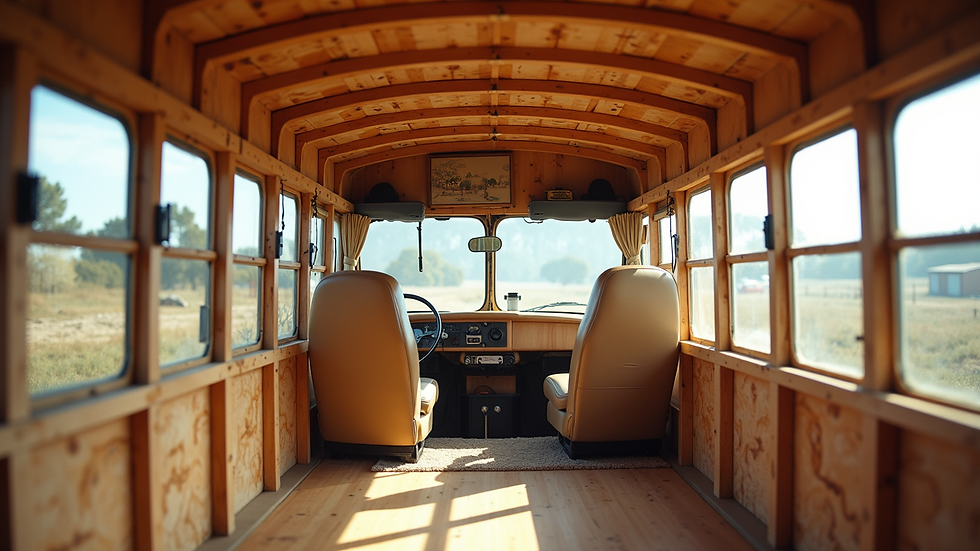
Practical Steps for a Successful Bus Conversion
The conversion process can be broken down into manageable phases. Each phase demands attention to detail and a methodical approach.
Phase 1: Demolition and Cleaning
Remove all unnecessary seats and fixtures. Clean the interior thoroughly to create a blank canvas. This step is vital for identifying any hidden damage and preparing the space for renovation.
Phase 2: Insulation and Flooring
Proper insulation is essential for temperature control and soundproofing. Use materials that are lightweight yet effective, such as foam board or spray foam. Install durable flooring that can withstand wear and tear, such as vinyl or laminate.
Phase 3: Electrical and Plumbing Installation
Run wiring for lights, outlets, and appliances. Plan circuits carefully to avoid overloads. For plumbing, install water tanks, pumps, and piping for sinks and showers. Ensure all connections are secure and leak-free.
Phase 4: Building Fixtures and Furniture
Construct beds, cabinets, and kitchen counters using lightweight wood or composite materials. Opt for multi-functional furniture to maximize space. Secure all fixtures firmly to withstand movement during travel.
Phase 5: Finishing Touches
Paint walls, add curtains, and install lighting fixtures. Personalize the space with decorations that reflect your style and values. These final touches transform the bus from a project into a home.
Throughout these phases, maintaining a steady pace and clear focus is essential. The process is a test of endurance and creativity, much like the challenges faced in service.

Essential Tools and Materials for Bus Conversion
Having the right tools and materials on hand is critical for efficiency and quality. Veterans and builders should assemble a toolkit that includes:
Power drill and bits
Circular saw or jigsaw
Screwdrivers and wrenches
Measuring tape and level
Safety gear (gloves, goggles, masks)
Insulation materials (foam board, spray foam)
Electrical supplies (wires, breakers, outlets)
Plumbing components (pipes, fittings, pumps)
Wood and fasteners for framing and furniture
Choosing quality materials ensures durability and safety. It is wise to invest in products designed for mobile living environments, which can better withstand vibrations and movement.
Navigating Challenges with Patience and Precision
Bus conversion is not without its obstacles. Unexpected issues such as wiring complications, space constraints, or mechanical setbacks can arise. Approaching these challenges with patience and precision is vital.
Problem-Solving Mindset: Treat each obstacle as a mission objective. Analyze the problem, develop a plan, and execute with care.
Safety First: Always prioritize safety when working with electrical systems and heavy tools. Double-check connections and secure all installations.
Adaptability: Be prepared to adjust plans as needed. Flexibility is a strength that will serve well throughout the project.
This mindset, grounded in discipline and care, will help maintain momentum and morale.
Embracing the Journey of Family Bus Conversion
The process of converting a bus for living is more than a technical project; it is a transformative journey. It offers a chance to build not just a home, but a lifestyle that honors independence and creativity. For those seeking guidance, resources like the family bus conversion consultation service provide invaluable support.
This journey fosters a deep connection to the space and a profound sense of accomplishment. It is a testament to resilience and the power of thoughtful craftsmanship. The finished bus becomes a mobile sanctuary, ready to carry its occupants on new adventures and shared stories.
Moving Forward with Confidence and Purpose
As the conversion nears completion, the focus shifts to maintenance and continual improvement. Regular inspections and upkeep ensure the bus remains safe and comfortable. Embracing this ongoing responsibility reflects the commitment and care that began the project.
Living in a converted bus is a unique experience that blends mobility with stability. It offers freedom to explore while maintaining a secure, nurturing environment. This balance is essential for well-being and peace of mind.
In this way, the bus conversion becomes more than a physical transformation. It is a symbol of perseverance, creativity, and the enduring spirit that drives individuals to build homes and lives on their own terms.

Comments